
 Skip to content
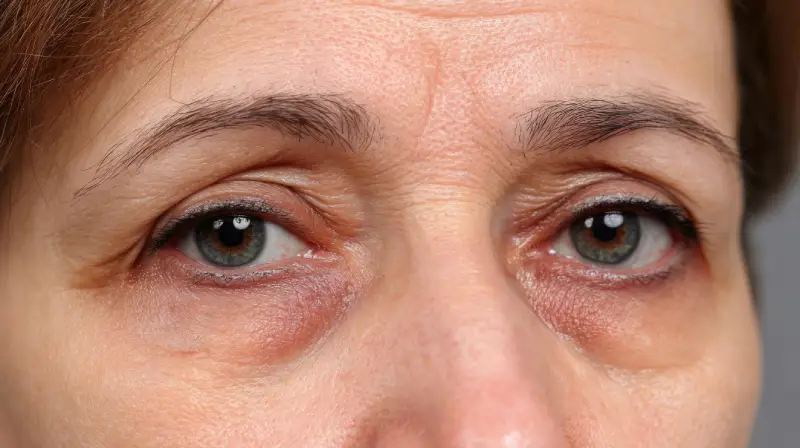
If you have ever looked in the mirror after a full night’s sleep and still seen tired, shadowed eyes, you are not imagining it. Dark circles are one of the most common reasons people feel they look more exhausted than they are, and they can be stubborn. The good news is that they are treatable once you understand what is causing them.
At Solei Clinic, we approach dark circles treatment by first identifying the real cause, because the right fix depends entirely on what is creating the shadow. Here is what is going on under your eyes, and what can be done about it.
Dark circles are not treated the same way for everyone because the cause can vary. For some people, the issue is pigmentation. For others, it may be hollowing, thin skin, puffiness, or laxity under the eyes. At Solei Clinic, under-eye hollowing may be treated with EyeBright hyaluronic acid filler, while thin or crepey skin may be better suited for Rejuran or Sylfirm X RF Microneedling. Pigment concerns may respond to MesoPeel Eye Renewal, and mild laxity may be addressed with HIFU BioLift Eye Treatment. A consultation helps identify what is actually causing the darkness so the treatment plan fits the concern. Results can make the under-eye area look fresher and more rested, but they are meant to improve the appearance of dark circles, not erase them forever.
Dark circles are not a single problem with a single solution. They usually come from one or more of four distinct causes, and telling them apart is the first step toward improving them.
Most people do not have just one of these. A mix of mild hollowing and thin skin is very common, which is exactly why a single cream so often disappoints. Genetics, age, and skin tone all shape how your circles present, which is why your under-eyes may look completely different from a friend’s.
Once you know what type of dark circles you have, it becomes easier to understand what may be making them worse. The skin under your eyes is very thin compared with other areas of the face, so changes tend to show there sooner. That is why dryness, irritation, lack of sleep, sun exposure, or volume loss can make the area look tired faster than you might expect.
As we age, collagen production slows, and the skin grows even thinner, making both vessels and hollows more visible. Day to day, several familiar culprits make things look worse:
Hereditary pigmentation is a different type of dark circle, and it usually sticks around more than the shadows that show up after a long week or poor sleep. That difference is important because discoloration caused by pigment does not respond the same way as darkness caused by hollowing, thin skin, or under-eye structure. The treatment needs to match the actual cause.
If you have worked through eye creams and concealers and the shadow is still there, that is usually a sign it is time for a professional opinion. Surface products can do a lot for mild pigment and dryness, but they cannot replace lost volume or tighten lax skin.
There are a few signs that dark circles may be structural rather than just pigment or tiredness. If the shadow looks lighter when you gently stretch the skin or tilt your head back, hollowing may be part of the issue. In that case, creams and serums usually will not do much because they cannot correct the shape beneath the skin. The under-eye area can be tricky to judge on your own, so a consultation helps identify what is really causing the darkness and what type of treatment actually makes sense.
Good home care still matters. Daily sun protection helps prevent pigment from deepening, gentle hydration supports the skin barrier, and managing allergies and sleep can noticeably reduce puffiness and the shadow it casts.
What home care cannot do is replace lost volume or fully correct dark circles caused by deep, hereditary pigmentation. It is better to think of it as support that keeps the under-eye area healthier, not as a complete fix for every cause. If your dark circles are mild, consistent home care may be enough to make a visible difference. If they are more noticeable, it still gives your skin a better foundation for any in-clinic treatment.
This is where matching the treatment to the cause pays off. At Solei Clinic, we offer several options, each suited to a different driver of dark circles:
One honest note: these treatments improve, soften, and refresh the appearance of dark circles rather than erase them permanently, and results vary from person to person.
Results do not follow the same timeline for every treatment. Filler usually gives the quickest change, often within a few days after the early swelling calms down. Regenerative treatments and energy-based options take more time because they rely on your skin to build collagen gradually over the following weeks.
Since collagen takes time to rebuild, treatments such as Microneedling, PDRN, and HIFU are usually planned as a short series instead of a one-time visit. The changes tend to build gradually as your skin responds from one session to the next. Results also need some maintenance over time, whether that means a future filler touch-up or occasional skin treatments to keep the area looking brighter and refreshed. Your provider can recommend a schedule based on your main concerns, your treatment plan, and how your skin responds.
Tired-looking eyes can wear on your confidence, but the right treatment, chosen for the right reason, can make a real difference. If you are ready to understand what is causing your dark circles and explore the options that fit, reach out to the team at Solei Clinic. We will assess your concerns and help you find an approach that revives your look naturally. Book Your Dark Circles Treatment Consultation Today!